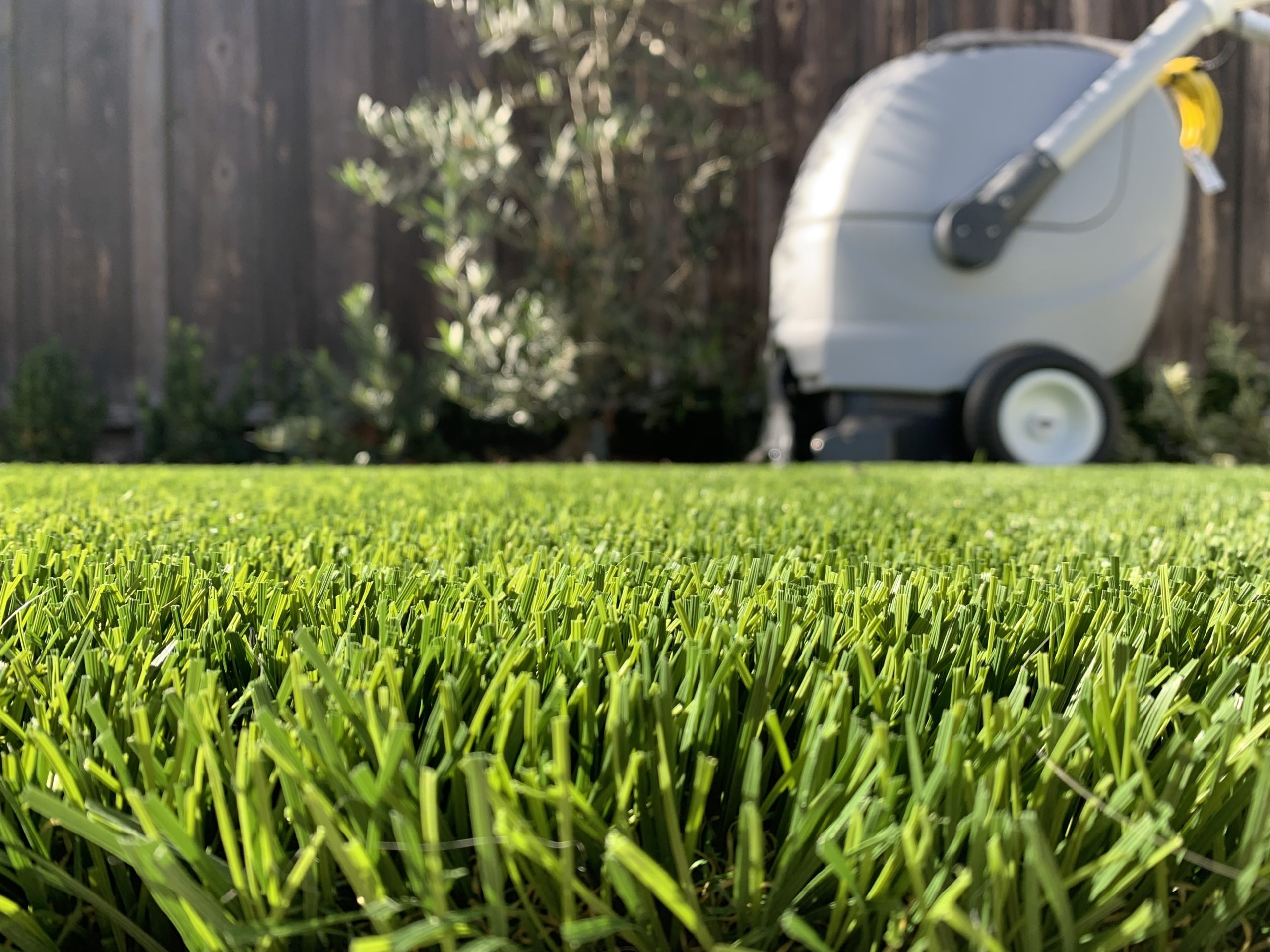
Artificial Turf Repair in Little Elm, TX
Expert repair for seam separations, tears, edge lifting, and wear zones across Little Elm's residential and commercial turf installations.
Request a Repair QuoteProfessional Turf Repair for Little Elm Properties
Artificial turf is a long-term investment, but no installation is entirely immune to damage over years of use. Seams can separate under ground movement — particularly relevant in Little Elm where the expansive clay soils shift measurably between wet and dry seasons. Edges can lift when anchor stakes work loose or when edging boards degrade. High-traffic corridors wear unevenly, especially in homes with large dogs or active kids using the same paths constantly. And the occasional accident — a heavy piece of patio furniture dragged across the surface, a sharp edge from a delivered appliance, or tree branch impact during a storm — creates isolated damage that needs expert repair to look right again.
Artificial Turf of Little Elm handles the full range of repair situations. We've corrected seam failures on installations originally done by other companies, repaired pet damage in Paloma Creek backyards, patched edge sections in Wildridge front yards that were clipped by HOA mowing equipment, and addressed drainage-related failures in low-elevation lots near Lake Lewisville where inadequate original drainage prep caused backing degradation over time. We give honest assessments — sometimes a repair is the right call, sometimes a section replacement makes more practical and economic sense, and we'll tell you which fits your situation.
The quality of a repair is visible in how well the patched or re-seamed area blends with the surrounding turf. This is where installer skill and product matching matter enormously. We maintain material inventory of common turf types so we can often match existing installations closely. For cases where the original product is discontinued or unavailable, we select the best available match and show you material options before proceeding. Our goal is a repair that you stop noticing within a few weeks.
Repair Services We Provide
Seam Re-joining
Separated seams are re-adhered using professional-grade seaming tape and adhesive, with the seam line re-cut if necessary to ensure clean junction before joining.
Section Patch Replacement
Damaged areas are cut out with clean borders and replaced with matched turf. We blend fiber direction and infill to make the patch as invisible as possible.
Edge and Border Re-securing
Lifted edges are re-anchored with appropriate fasteners, edge boards replaced where deteriorated, and borders re-cut and re-finished where necessary.
Tear and Cut Repair
Tears from sharp impacts or edge damage are repaired using backing adhesive and, where the damage exceeds a certain size, a patch replacement approach.
Infill Displacement Restoration
High-traffic areas that have lost infill to lateral movement receive fresh infill worked into the fiber layer, restoring support and drainage in the affected zone.
Drainage Issue Remediation
Where backing degradation or base saturation has created soft or spongy areas, we assess whether base repair or drainage modification can correct the problem without full replacement.
Repair Process
Damage Assessment
We inspect the damage, identify the cause where possible, and determine whether repair or section replacement is the more practical approach.
Scope and Pricing
You receive a written repair scope and price before any work begins. We don't start work and then present a bill for amounts you didn't agree to.
Material Matching
We identify the existing turf product where possible and source matched material. Where exact match isn't available, we present the closest option for your approval.
Area Preparation
The damaged area is cleared of debris, existing failed seaming material is removed, and the zone is prepared for the repair approach.
Repair Execution
The repair is performed using appropriate professional techniques — seaming, patching, anchoring, or drainage correction depending on the damage type.
Blending and Finish Work
Repaired areas are brushed to match surrounding fiber direction, infill is worked in, and edges are feathered to minimize the visual transition.
Quality Review
We inspect the completed repair with you to confirm it meets standard before we close the job.
The Value of Professional Repair
Significantly Less Than Full Replacement
In most cases, repairing a damaged section costs a fraction of replacing the full turf area. Timely repair is almost always the more economical path when damage is isolated.
Prevents Damage Progression
A lifted edge that goes unaddressed becomes a larger separation. A small seam gap that admits foot traffic becomes a significant structural failure. Early repair stops compounding damage.
Restores Safety and Playability
Lifted edges and seam gaps create tripping hazards, particularly for children and older adults. Repaired surfaces are safe for all household members.
Maintains Property Appearance
Visible damage undermines the investment case for artificial turf. Repaired and blended sections restore the clean, intentional appearance the lawn was installed to provide.
Professional Diagnostic Clarity
We identify underlying causes — poor original drainage prep, ground movement, inadequate anchoring — that homeowners often can't diagnose on their own.
Repair Questions from Little Elm Homeowners
My seams are separating in multiple places — is the whole lawn failing?
Not necessarily. Seam separation is often localized to areas where original installation adhesive dried before adequate bonding, or where ground movement from soil expansion concentrated stress. We assess each seam independently. Multiple seam failures can often be addressed without replacing the full installation.
A contractor working on my property dragged heavy equipment across the turf and tore several areas — what are my options?
We handle this regularly. We assess the extent of damage, determine whether the underlying base was also affected, and provide a repair scope that addresses both the visible damage and any structural impact. If the contractor damaged the turf, our written repair scope gives you documentation to seek reimbursement.
My turf has a section that's constantly soft and slightly spongy after rain — is that repairable?
Soft spots after rain usually indicate drainage failure at the base level. We probe the base to determine whether the drainage layer is saturated or compacted. If it's a drainage issue, we can often correct it without replacing the turf by improving drainage in the affected zone.
How long does a typical residential repair take?
Most single-issue repairs — a seam, an edge section, or a localized patch — are completed in a few hours. Larger or more complex repairs with multiple locations may take a full day. We confirm the timeline when we provide the written repair scope.
Get Your Lawn Looking Right Again
Contact us today for a free consultation and personalized quote for your project.
Request a Repair Quote