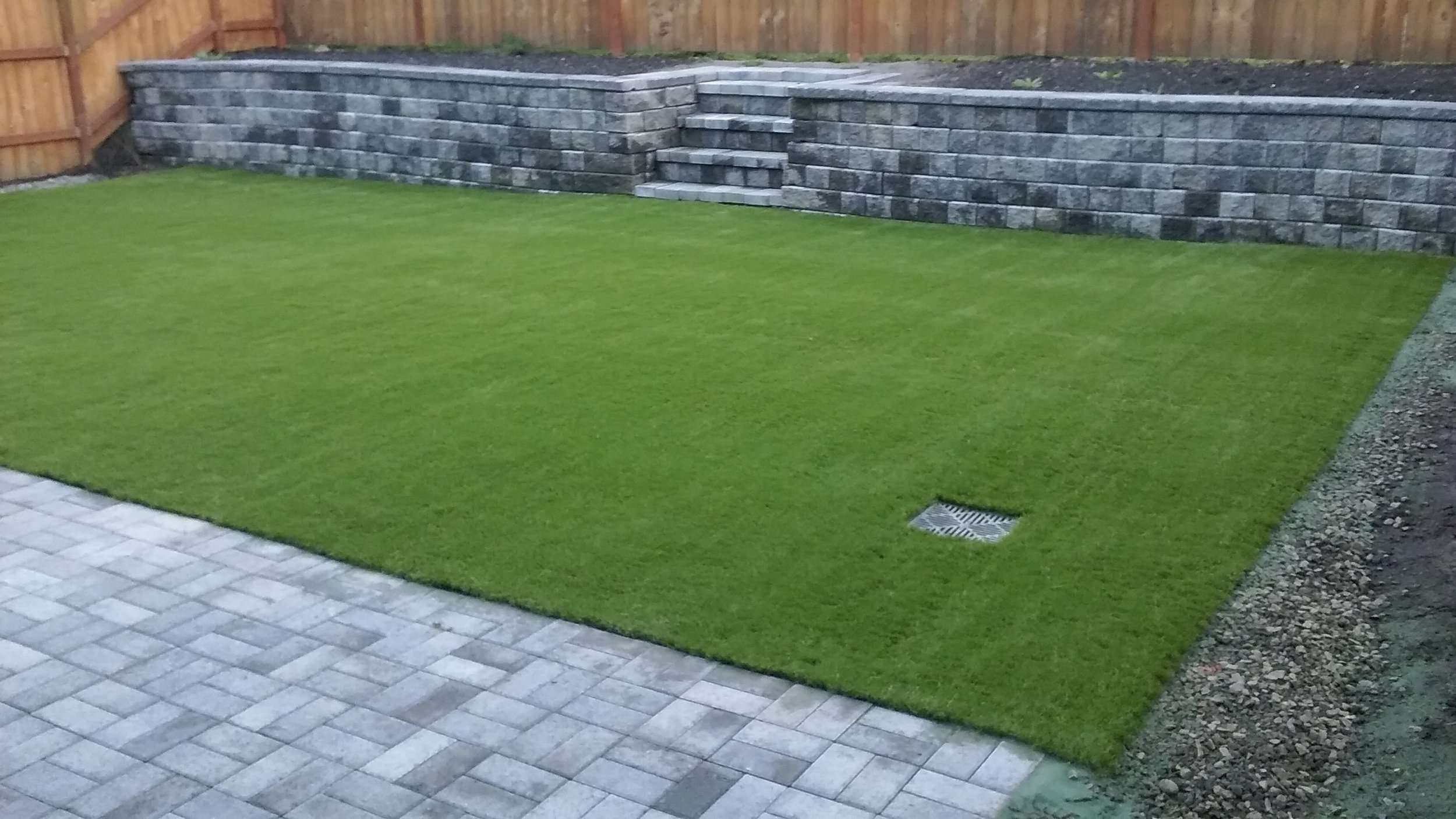
Artificial Turf Drainage in Little Elm, TX
Custom drainage systems engineered for Little Elm's lakeshore soils, clay-heavy terrain, and the storm volumes that come with North Texas spring weather.
Get a Drainage AssessmentWhy Drainage Is the Defining Factor in Little Elm Turf Installations
Little Elm's position on the north shore of Lake Lewisville creates a drainage environment that distinguishes it from most North Texas communities. Properties in the lower-elevation corridors near the lake face groundwater dynamics that properties on higher ground don't. The clay-heavy soils of Denton County expand when saturated and contract during dry stretches, creating conditions where drainage systems that work adequately in average seasons struggle during heavy rainfall years. Add to this the concentrated storm runoff that comes through the Paloma Creek, Wildridge, and Lakeside developments as impervious surfaces expand with each new construction phase, and you have a drainage context that demands serious engineering rather than standard base preparation.
Proper drainage is not a secondary concern in an artificial turf installation — it's the primary structural element that determines whether your investment performs for a decade and a half or develops soft spots, odors, and backing failures within three years. The turf surface itself is highly permeable; water moves through the fibers almost instantly. What happens below the surface is what determines outcome. A well-designed and properly installed drainage base moves water away from the turf system efficiently, keeps the base material stable and dry between rain events, and prevents the saturation cycles that degrade backing and create bacterial activity.
Artificial Turf of Little Elm designs drainage solutions specific to each property we assess. We don't apply a default base recipe to every installation — we evaluate your lot's topography, soil permeability, surrounding impervious surfaces, proximity to Lewisville Lake, and the distance and elevation to appropriate drainage outlets before recommending a base system. For properties where standard base drainage is insufficient, we design supplemental systems including French drains, channel drains, or catch basin networks integrated with the turf installation from the ground up.
Drainage Solutions We Provide
Topographic Site Evaluation
We map water flow paths across your property, identify low points and collection zones, and assess where drainage needs to exit the site before designing any system.
Engineered Aggregate Base Systems
Base aggregate specification — material type, gradation, depth, and compaction protocol — is calibrated to your site's drainage demands rather than applied as a standard formula.
French Drain Installation
Subsurface perforated pipe systems that capture and redirect groundwater and surface infiltration away from the turf base, protecting the installation from saturation.
Channel and Surface Drain Systems
For properties with concentrated surface water from adjacent impervious areas, channel drains along the perimeter or within the turf area intercept water before it overwhelms the base.
Catch Basin Networks
Collection basins at low points gather and redirect water to appropriate outlets — storm sewer connections, dry wells, or natural drainage features on the property.
Existing Drainage Problem Diagnosis
For installations that are already showing drainage-related symptoms — soft areas, persistent odor, slow drying — we diagnose the base failure and recommend correction approaches.
Drainage Assessment and Installation Process
Property Drainage Assessment
We visit your property after or during a rain event when possible, or use topographic analysis to map how water currently moves across and off the site.
Drainage Design
Our team designs a drainage solution that addresses both normal rain events and the more significant storm volumes Little Elm periodically receives during spring storm seasons.
Outlet Planning
We identify appropriate drainage outlets — storm drainage connection, dry well, natural grade, or other destination — and verify capacity and compliance with local code.
System Layout and Client Review
Before excavation begins, we walk you through the designed system, mark drain routes and outlet locations, and confirm the design meets your understanding and expectations.
Excavation and Pipe Installation
Trenching for French drains or channel systems is completed, pipes and geotextile fabric are installed, and aggregate backfill is placed and compacted appropriately.
Base Preparation Integration
The drainage system is integrated with the turf base preparation so the two systems work together. This is where coordination between drainage and turf installation is critical.
System Testing
Where possible, we test the drainage system with water introduction before turf installation to verify performance and identify any adjustments needed.
What Proper Drainage Protects
Turf System Longevity
Backing degradation from persistent moisture exposure is one of the primary mechanisms that ends turf installations prematurely. Correct drainage engineering extends backing life to the full product project coverage period and beyond.
Rapid Dry-Down After Rain Events
Properly drained turf is typically usable within hours of heavy rainfall. Inadequately drained systems can remain soft and wet for days, limiting use and creating tracking issues.
Odor Prevention
Bacterial odor in artificial turf is almost always a drainage failure problem. Urine and organic material that can't exit the system create anaerobic conditions in the base — the source of persistent odor that no surface treatment fully corrects.
Base Stability
Saturated and re-dried base aggregate experiences volume changes that cause surface irregularities over time. Consistent drainage keeps the base moisture-stable and your turf surface level.
Property Protection
Well-routed drainage protects adjacent foundation, hardscape, and garden areas from water that an unmanaged system would direct toward structures.
Drainage Questions for Little Elm Properties
My property sits lower than the adjacent homes — does that require a more complex drainage design?
Almost always, yes. Lower-lying properties collect water from surrounding lots and from natural drainage paths that concentrate flow toward your yard. We design base drainage and perimeter collection systems that manage not just the rain that falls on your turf, but the runoff that arrives from adjacent properties and paved surfaces.
My turf was installed two years ago and has developed a soft, spongy area after rain — is that a drainage failure?
Very likely. Soft spots that develop after rain and remain for days indicate the base aggregate is becoming saturated and not draining. We assess the affected area by probing depth and moisture, and in most cases can remediate the drainage issue without replacing the full turf installation.
Does the Dallas North Tollway expansion construction runoff affect nearby properties?
Active construction areas in Little Elm do generate elevated runoff during storm events as graded surfaces shed water before permanent drainage infrastructure is installed. Properties near active development benefit from additional perimeter drainage protection during construction phases.
How close to Lewisville Lake can artificial turf with drainage be successfully installed?
We've successfully installed turf on properties very close to the Lake Lewisville shoreline. Properties within the floodplain require more detailed drainage planning, and we verify elevation and flood-zone status before making recommendations for those sites.
Can drainage systems be added to an existing installation that has drainage problems?
Yes, though it requires partial lifting of the turf to access the base. We perform this remediation regularly. Where the drainage failure has also damaged the backing or base significantly, we assess whether the turf can be relaid or needs replacement in the affected zone.
Build Your Turf System on Drainage That Works
Contact us today for a free consultation and personalized quote for your project.
Request a Drainage Assessment