Artificial Turf Disposal in Little Elm, TX
Complete removal, responsible disposal, and clean-site preparation for homeowners and property managers across Little Elm and the Hwy 380 corridor.
Request a Disposal QuoteProfessional Turf Removal and Disposal in Little Elm
Little Elm's rapid residential growth over the past decade means a significant number of early-generation artificial turf installations are now reaching the end of their useful life or being replaced as homeowners upgrade to current-generation products. The original installations in Paloma Creek, early-phase Sunset Pointe, and some of the first Lakeside builds are now approaching ten to fifteen years of service life — the range where fiber degradation, backing brittleness, and infill compaction push owners toward replacement rather than repair. Artificial Turf of Little Elm provides full-service removal and disposal as a standalone service or as the first phase of a new installation.
Artificial turf removal is more physically demanding than it appears from the surface. Turf and backing are bonded to seaming tape and edge anchors that require systematic extraction. The base aggregate underneath — typically several inches of compacted crushed stone — needs to be removed or regraded depending on whether the same base can be reused for a new installation. Infill material, whether crumb rubber, sand, or organic alternatives, requires appropriate disposal routing since it can't simply go into standard residential trash bins. Our crews handle all of this efficiently with the equipment the job requires.
We approach disposal with responsibility toward Little Elm's community and environment. Infill materials are sorted and routed to appropriate facilities. Turf backing and fiber are evaluated for recycling streams where available. Base aggregate is reused where the gradation and condition support reuse, and disposed of appropriately where it doesn't. We document the disposal process for clients who want records for sustainability reporting or HOA accountability purposes.
What Our Disposal Service Includes
Full Turf Extraction
Systematic removal of all turf panels, seaming tape, backing material, and edge anchoring hardware from the entire installation area.
Infill Removal and Sorting
Infill material is extracted and sorted by type for appropriate disposal routing — crumb rubber, silica sand, organic infill, and hybrid products are processed differently.
Base Material Assessment
We evaluate whether the existing base aggregate can be reused for a new installation or needs to be removed and replaced, and manage whichever approach is appropriate.
Site Clean-Up
After extraction, the site is left clean, graded, and ready for whatever comes next — new turf installation, natural grass, hardscape, or other landscaping.
Recycling Where Available
We prioritize recycling streams for turf materials where viable options exist in the region. Turf recycling infrastructure continues to expand in North Texas.
Documentation
We provide documentation of the removal scope and disposal routing for clients who need records for HOA, property management, or sustainability reporting purposes.
Removal and Disposal Process
Removal Assessment
We evaluate the turf area, existing base condition, infill type, and site access to scope the removal accurately and price the work.
Scheduling
Removal timing is coordinated with your plans — either standalone or timed to transition directly into new turf installation.
Perimeter and Edge Extraction
Edge anchors, border boards, and perimeter fasteners are removed first, releasing the turf panels from their anchored positions.
Turf and Infill Removal
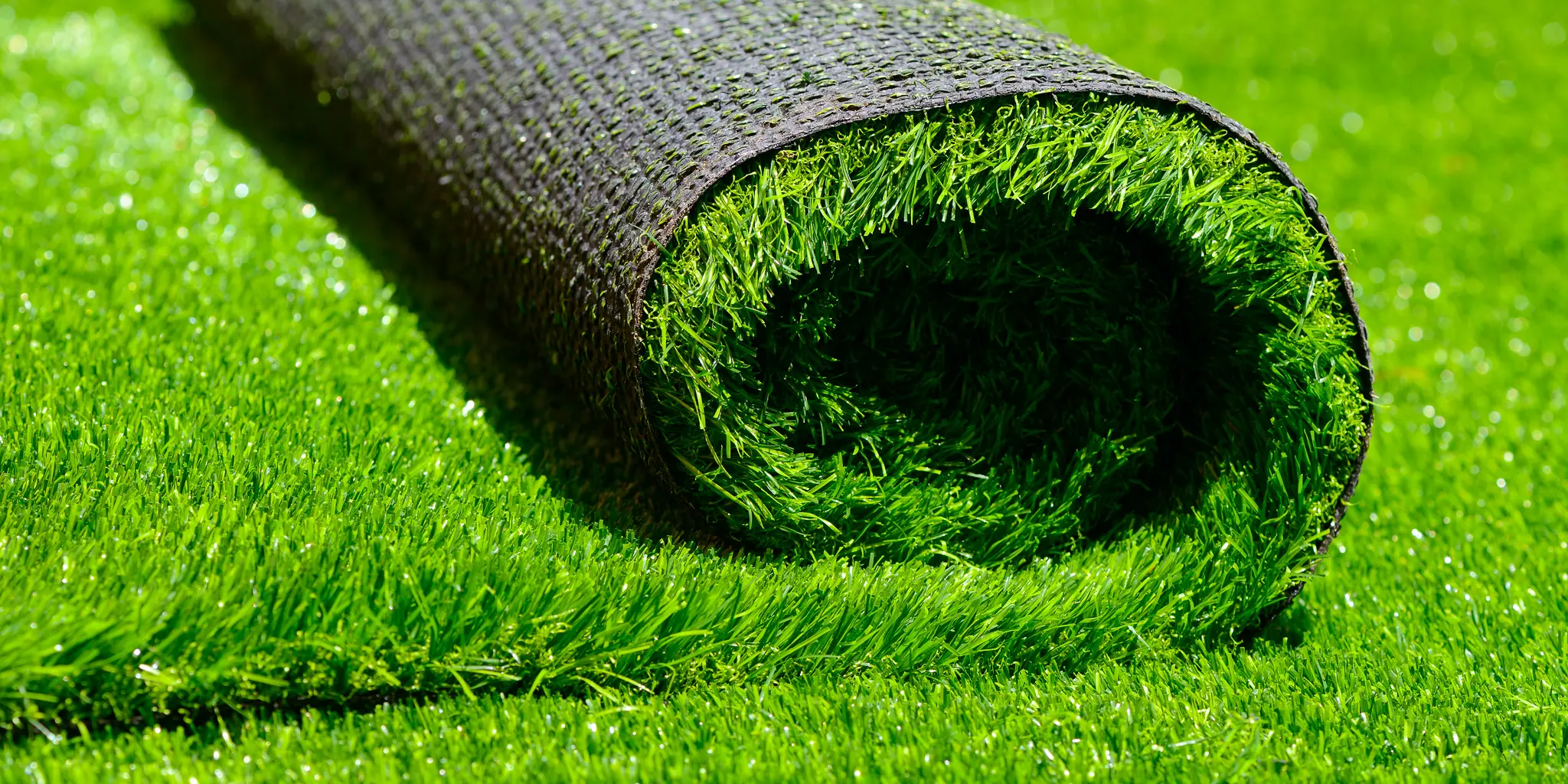
Turf panels are rolled and removed. Where infill needs to be extracted prior to rolling, we use appropriate equipment to clear it efficiently.
Base Assessment and Handling
The base aggregate is assessed. Reusable material is graded and prepared for reuse. Material that needs removal is excavated and transported.
Site Clean-Up and Grading
The site is cleared of all installation debris, graded to a suitable condition for the next installation phase or landscaping approach.
Disposal Routing
All removed materials are transported to appropriate facilities. Recycling-eligible materials are separated and routed accordingly.
Why Professional Disposal Makes Sense
Time and Physical Effort Saved
Removing installed artificial turf is hard physical work. Extraction tools, transport vehicles, and disposal access are required. Our crews bring all of it and complete in hours what might take a homeowner multiple days.
Base Condition Expertise
Understanding which base aggregate is reusable versus which needs replacement requires assessment experience. Our crews make this determination correctly, which affects both the quality of the new installation and the total project cost.
Proper Infill Handling
Bulk infill material — particularly crumb rubber — isn't accepted in standard residential waste streams. We route it to appropriate facilities so you're not left managing material you can't easily dispose of.
Clean Site for New Work
A properly cleared and graded site gives a new turf installation the best possible foundation. Sites cleaned by inexperienced parties often leave base irregularities that show up as surface problems in new installations.
Environmental Responsibility
Little Elm's community cares about its environment — the lake, the trail system, the green corridors. We don't dump or improperly route materials. We manage disposal in ways consistent with the community's environmental values.
Disposal Questions from Little Elm Property Owners
Can you remove our HOA's common area turf that's at end of life and prepare the site for new installation?
Yes, HOA common area removal is a project type we handle regularly. We can coordinate directly with the property manager, provide before-and-after documentation for board records, and phase the removal to minimize disruption to residents using adjacent common areas.
Is artificial turf recyclable?
Turf recycling options are improving, though availability varies by material type. Certain turf fiber types can be processed into industrial applications. Crumb rubber infill has established recycling streams. We identify and use available recycling pathways for every removal project.
Can the existing base gravel be kept for the new installation?
Sometimes. We evaluate compaction consistency, gradation, and moisture condition of the existing aggregate. If it meets the specification requirements for the new installation, we can regrade and reuse it, which reduces both removal cost and new base material cost. We document the assessment so you understand the basis for the recommendation.
How long does full removal take for a typical residential property?
Most residential removals covering the back yard and front yard of a standard Little Elm lot — typically 1,500 to 3,000 square feet of turf total — are completed in one to two days. Larger properties or installations with extensive base material to remove may take longer.
Ready to Clear the Old and Start Fresh?
Contact us today for a free consultation and personalized quote for your project.
Request a Disposal Quote